
 Timothee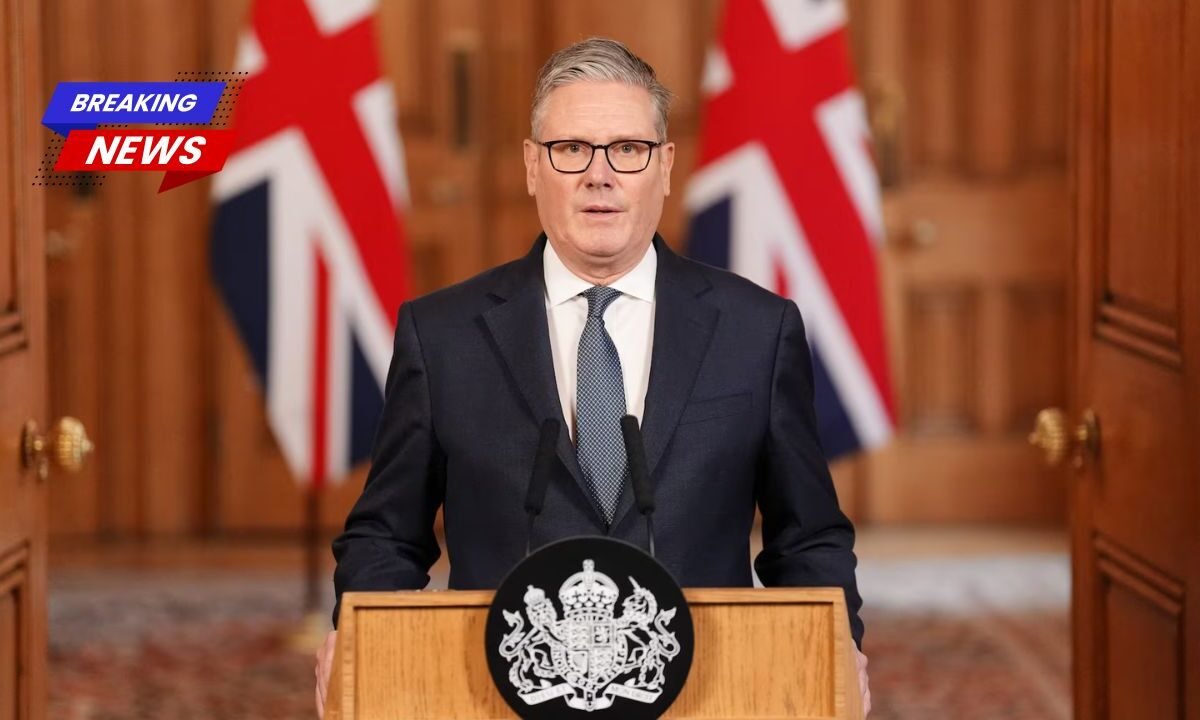
The UK Prime Minister has confirmed that the United States can use British military bases for operations linked to rising tensions with Iran. However, he has also made it clear that the United Kingdom will not directly participate in any military strikes. This decision has sparked debate across political circles, defence communities, and among the public, especially as Middle East tensions continue to rise.
In this detailed analysis of the Starmer allows US to use UK bases against Iran decision, we break down what this means for British foreign policy, military cooperation, and the broader geopolitical landscape.
Why the UK Is Allowing US Access to Military Bases

The UK and the US have a long-standing defence partnership often described as the “special relationship.” Under various defence agreements, American forces are permitted to operate from certain UK military facilities. These arrangements are not new and have been in place for decades.
Strategic Defence Agreements Between the UK and US
The United States operates from several important UK-based installations, including RAF Lakenheath and RAF Mildenhall. These bases are frequently used for logistical support, refuelling missions, intelligence gathering, and strategic deployments.
Allowing US forces to use UK bases against Iran does not necessarily mean Britain is entering the conflict. Instead, it reflects existing agreements that permit operational cooperation between the two allies.
A Balancing Act in Foreign Policy

Prime Minister Keir Starmer has emphasised that while the UK will honour its defence commitments to the United States, Britain will not take part in direct military strikes against Iran. This careful positioning aims to balance alliance loyalty with domestic political considerations and international diplomatic responsibilities.
UK Won’t Join Strikes: What That Means
The statement that the UK “won’t join strikes” is significant. It suggests that British armed forces will not engage in offensive military action targeting Iranian assets. Instead, the UK’s role would be limited to facilitating allied operations through infrastructure support.
Distinction Between Support and Participation
There is an important difference between allowing base access and actively launching strikes. Providing logistical support, airspace access, or refuelling capabilities does not equate to firing missiles or deploying combat units into hostile operations.

This distinction allows the UK government to maintain its commitment to NATO allies while avoiding direct escalation with Iran.
Domestic Political Considerations
Within Parliament, opinions are divided. Some lawmakers argue that even indirect involvement could make the UK a target for retaliation. Others believe supporting the US strengthens Western security cooperation and deters aggression.
The Prime Minister’s decision appears to reflect caution. By permitting base usage but avoiding active combat, the government aims to reduce political risk at home while preserving diplomatic credibility abroad.
Rising Tensions Between the US and Iran
Tensions between Washington and Tehran have escalated due to recent military incidents and regional instability. The US has signalled its readiness to respond to perceived threats from Iran-backed groups.
The UK’s position comes at a sensitive time, as European nations are urging restraint while also acknowledging security concerns in the region.
Potential Impact on Middle East Stability
If strikes occur, the situation could further destabilise the Middle East. Oil markets, global trade routes, and international security could be affected. The UK government has stated that its priority remains de-escalation and diplomatic resolution.
However, allowing US forces to operate from British soil does place the UK in a strategically visible position.
Key Differences: UK Participation vs US Operations
Below is a table explaining the difference between direct participation and logistical support.
| Aspect | Direct UK Participation | US Use of UK Bases |
|---|---|---|
| Military Engagement | UK troops involved in combat | No UK combat role |
| Decision-Making | UK approves and joins strikes | US conducts operations |
| Political Risk | Higher domestic and global risk | Moderate diplomatic sensitivity |
| Legal Framework | Requires parliamentary scrutiny | Based on existing defence agreements |
| Public Perception | Seen as entering conflict | Seen as indirect involvement |
This table helps clarify how the decision to allow US use of UK bases against Iran differs significantly from active military participation.
Legal and Parliamentary Implications
Does Parliament Need to Approve?
If the UK were to join strikes, parliamentary debate and possible approval would likely be required. However, allowing allied forces to use military facilities under existing agreements does not automatically trigger the same level of legislative approval.
That said, political pressure could push for debate, especially if the situation escalates.
International Law Considerations
International law allows nations to provide logistical support to allies. The legality of any military strike itself would depend on justification under self-defence principles or international mandates.
The UK government has stressed that it will comply with international legal standards in all actions.
Security Risks for the United Kingdom
One concern raised by critics is the possibility of retaliation. If Iran views UK bases as launch points for hostile operations, British infrastructure could become a symbolic target.
Risk Assessment
Security agencies are likely reviewing potential threats, including cyberattacks, proxy actions, and diplomatic fallout. The government has not indicated any immediate threat level changes but is monitoring developments closely.
Economic and Global Market Impacts
Whenever tensions rise in the Gulf region, global markets react. Oil prices can surge, shipping routes may be disrupted, and investor confidence can weaken.
The UK economy, already navigating inflation and global uncertainty, could face indirect effects if the situation worsens.
Energy Market Sensitivity
Iran plays a strategic role in regional energy supply routes. Any conflict affecting shipping lanes could influence fuel prices in Europe and beyond.
Diplomatic Reactions from Europe and NATO
European allies have responded cautiously. Some nations have urged restraint and called for renewed diplomatic talks with Iran. NATO has not formally announced coordinated action but continues to monitor the situation.
The UK’s decision to allow US access while declining to join strikes places it somewhere in the middle of the Western response spectrum.
Conclusion
The decision that Starmer allows US to use UK bases against Iran but says Britain won’t join strikes highlights a complex balancing act in modern geopolitics. By permitting American forces to operate from British territory while avoiding direct military engagement, the UK aims to uphold its alliance commitments without escalating the conflict.
This approach reflects a broader strategy of cautious cooperation. It acknowledges the importance of the UK-US defence relationship while attempting to limit domestic political backlash and international risk.
As tensions continue to evolve, the effectiveness of this position will depend on whether the situation de-escalates or intensifies. For now, the UK remains indirectly involved but not an active combatant.