



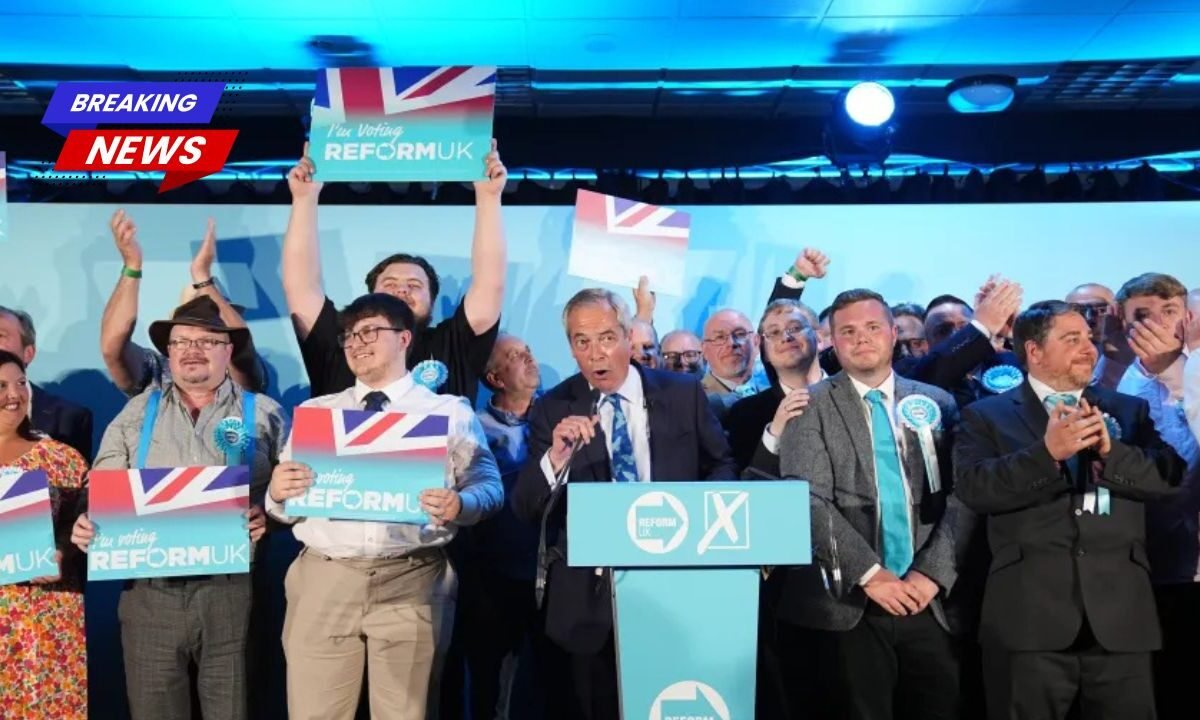
The political landscape in the United Kingdom is entering a turbulent phase as Reform UK confronts one of the most challenging periods in its short but high-profile history. Once positioned as a disruptive force aiming to reshape British politics, the party is now facing mounting internal pressure, strategic dilemmas, and increasing scrutiny from both political rivals and the public. As tensions rise, observers expect a more confrontational and aggressive political battle in the months ahead.
This in-depth analysis explores the ongoing Reform UK crisis, the factors driving internal instability, the broader implications for UK politics, and why the party may intensify its political strategy moving forward.
Understanding the Current Crisis in Reform UK
Reform UK, originally launched as the Brexit Party, built its identity around challenging the political establishment. However, the current Reform UK leadership crisis reflects deeper structural and strategic problems.
Internal Divisions and Leadership Pressures
At the core of the Reform UK serious crisis are disagreements over direction, messaging, and long-term political strategy. Political insiders suggest that tension between party leadership and grassroots supporters has widened. Some members advocate for a sharper populist tone, while others push for broader mainstream appeal.
This internal struggle has weakened unity and raised questions about party discipline. Leadership credibility has also come under pressure as critics demand clearer policy proposals beyond anti-establishment rhetoric.
Electoral Performance and Public Perception
Recent electoral performances have not fully matched expectations set during earlier surges in support. While Reform UK continues to attract attention through bold messaging, converting that attention into consistent electoral gains remains a challenge.
Public perception plays a crucial role in this crisis. Voters increasingly expect detailed policy frameworks on immigration reform, taxation policy, economic recovery, and national sovereignty. Without concrete plans, the party risks being seen as reactive rather than proactive.
The Political Environment Surrounding Reform UK
The Reform UK political crisis does not exist in isolation. It unfolds against a backdrop of wider shifts in UK politics.
Competition From Major Parties
Both the Conservative Party and Labour Party are recalibrating their strategies. The Conservatives are attempting to reclaim right-leaning voters, while Labour focuses on stability and governance credibility.
This intensifies competition for Reform UK’s voter base. When larger parties adopt tougher rhetoric on immigration or fiscal policy, Reform UK must decide whether to escalate its messaging or reposition itself.
Media Scrutiny and Strategic Pressure
Increased media coverage has amplified scrutiny of party finances, candidate vetting, and policy consistency. While visibility can strengthen recognition, it also exposes internal weaknesses.
Political commentators argue that the party’s next steps will likely involve a more aggressive campaign strategy to counteract declining momentum and restore authority.
Why a More Aggressive Battle Is Expected
The phrase “expect a more aggressive battle ahead” reflects predictions from political analysts observing Reform UK’s trajectory.
Sharper Messaging on Core Issues
Reform UK may intensify its focus on long-standing themes such as stricter immigration control, reduced government spending, and stronger national sovereignty. Expect more direct criticism of both Labour and Conservative leadership.
By adopting a more assertive tone, the party aims to energize its base and distinguish itself from mainstream competitors.
Targeted Electoral Strategy
Rather than spreading resources thinly across the country, Reform UK could concentrate on specific constituencies where dissatisfaction with traditional parties is highest. Strategic targeting may become central to its survival.
Digital Campaign Expansion
Modern political battles are increasingly fought online. Reform UK is likely to expand digital outreach, leveraging social media to amplify its narrative and counter mainstream media narratives.
Key Challenges Facing Reform UK
Below is a summary of the core challenges shaping the Reform UK serious crisis:
| Challenge Area | Description | Potential Impact |
|---|---|---|
| Leadership Stability | Internal disagreements over strategy | Weakens public confidence |
| Policy Depth | Demand for detailed economic and social plans | Risk of voter disengagement |
| Electoral Competition | Pressure from Conservatives and Labour | Shrinking voter share |
| Media Scrutiny | Increased investigative attention | Reputational risk |
| Organizational Structure | Need for stronger grassroots coordination | Limits campaign effectiveness |
This table highlights why the Reform UK internal crisis cannot be viewed as a temporary setback. It represents a pivotal moment for the party’s identity and long-term viability.
The Broader Impact on UK Politics
The Reform UK crisis has implications beyond the party itself. Smaller parties often influence national debate by pushing controversial or neglected issues into mainstream discussion.
If Reform UK intensifies its rhetoric, it could shift the tone of public discourse on immigration, taxation, and governance. Alternatively, if the crisis deepens, it may consolidate power back into the hands of traditional parties.
Political volatility tends to increase when new movements face existential pressure. A more aggressive Reform UK strategy may polarize debate, energize supporters, and provoke stronger counterattacks from opponents.
Economic and Social Policy Expectations
Voters increasingly demand clarity. Reform UK will likely need to articulate:
- Detailed tax reform proposals
- Clear immigration enforcement frameworks
- Concrete plans for economic growth
- Public service restructuring strategies
Without comprehensive policy outlines, aggressive campaigning alone may not secure long-term credibility.
Strategic Scenarios Moving Forward
There are three possible scenarios for Reform UK’s future:
- Stabilization and consolidation through disciplined messaging
- Escalation of populist rhetoric to reclaim media attention
- Gradual decline if internal divisions persist
Most analysts currently anticipate the second scenario — a more confrontational political approach designed to reassert relevance in the UK political arena.
Conclusion
Reform UK faces a defining moment. The combination of internal tension, electoral pressure, and growing public scrutiny has created a serious crisis that cannot be ignored. Rather than retreat, all signs point toward a more aggressive political strategy ahead.
Whether this escalation strengthens the party or accelerates its challenges will depend on leadership cohesion, policy clarity, and the ability to convert bold rhetoric into credible governance proposals.
The coming months will reveal whether Reform UK transforms its crisis into opportunity or struggles to maintain political influence in an increasingly competitive environment.