
 Timothee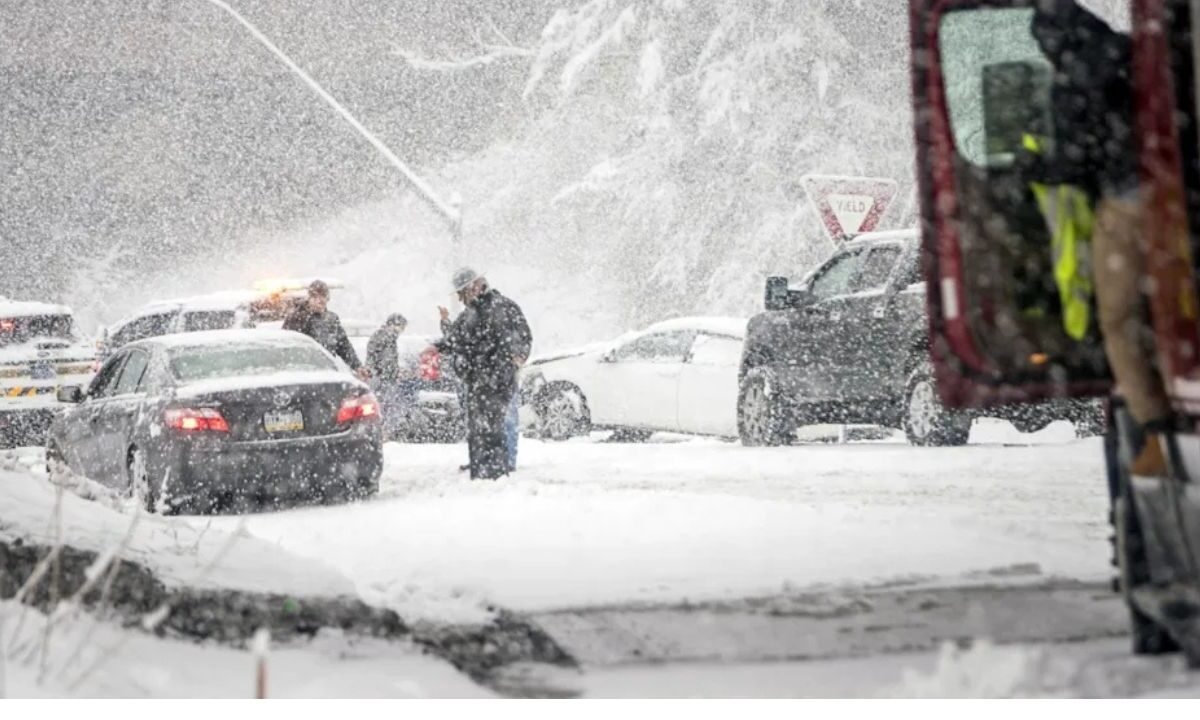
A powerful severe winter storm alert for Western highways has been issued as meteorologists warn of heavy snowfall totals reaching up to 20 inches of snow combined with 40 MPH wind gusts. This dangerous winter weather system is expected to create treacherous road conditions, reduced visibility, and potential travel disruptions across multiple high-elevation and interstate corridors.
Drivers, freight operators, and local authorities are preparing for what could become one of the most disruptive major snowstorm events affecting Western mountain highways this season. Officials are urging travelers to monitor weather updates and reconsider non-essential travel plans.
What the Severe Winter Storm Means for Western Highways
Heavy Snowfall Accumulation Forecast

Weather agencies predict widespread snow accumulation ranging between 10 and 20 inches in affected regions. Mountain passes and elevated terrain are expected to receive the heaviest snowfall totals.
Such intense snowfall rates can quickly cover roadways, reduce traction, and overwhelm snow removal efforts. In higher elevations, snow may fall at rates exceeding one inch per hour during peak periods, leading to dangerous whiteout conditions.
40 MPH Wind Gusts Creating Blizzard-Like Conditions
In addition to heavy snowfall, strong wind gusts up to 40 miles per hour will significantly worsen conditions. When powerful winds combine with falling snow, they create blowing and drifting snow, which can rapidly reduce visibility to near zero.

This combination of 20 inches of snow and 40 MPH winds impacting Western highways increases the risk of:
• Multi-vehicle accidents
• Temporary highway closures
• Delays in emergency response
• Power outages in exposed areas
High-profile vehicles such as trucks, RVs, and buses may be especially vulnerable to crosswinds.
Areas Most at Risk
Mountain Passes and Elevated Roadways

Mountain highways are particularly susceptible to dangerous winter weather patterns. Roads at higher elevations cool faster and accumulate snow more quickly. Steep grades also make braking and traction more difficult.
Drivers traveling through mountain corridors should expect:
• Chain control checkpoints
• Reduced speed limits
• Possible temporary shutdowns
Interstate Freight Corridors
Major interstate routes that connect Western states could experience shipping delays. Logistics companies are already adjusting routes to minimize disruption caused by the severe winter storm forecast bringing heavy snow to Western highways.
Freight bottlenecks may impact supply chains, particularly for perishable goods and time-sensitive deliveries.
Timeline of the Winter Storm System
Meteorologists indicate that the winter system will intensify rapidly as cold air collides with incoming moisture. Snowfall is expected to begin lightly before becoming heavy and sustained.
Peak impacts are forecast during overnight and early morning hours, when temperatures remain well below freezing. This timing increases the likelihood of icy road surfaces forming beneath fresh snowfall.
Below is a summary of the expected impacts:
Storm Impact Overview Table
| Impact Category | Forecast Details | Risk Level |
|---|---|---|
| Snowfall Totals | 10 to 20 inches | High |
| Wind Gusts | Up to 40 MPH | Moderate to High |
| Visibility | Near zero during peak | High |
| Road Conditions | Snow-packed and icy | Severe |
| Travel Delays | Widespread | High |
| Power Disruptions | Possible in exposed areas | Moderate |
This winter storm warning with 20 inches of snow and 40 MPH winds affecting Western travel routes highlights the importance of preparedness.
How Travel Could Be Affected
Hazardous Driving Conditions
Snow accumulation combined with gusty winds may cause:
• Black ice formation
• Snow drifts covering lanes
• Slippery bridges and overpasses
• Sudden visibility drops
Even experienced winter drivers may struggle under these conditions.
Potential Road Closures
Transportation departments may temporarily close specific highway stretches if snowfall outpaces plowing operations. Avalanche-prone zones in mountainous regions may also be monitored closely.
Travel advisories and emergency alerts are likely to be issued throughout the duration of the storm.
Safety Recommendations for Drivers
Authorities are strongly advising motorists to follow winter safety protocols. If travel cannot be postponed, drivers should:
• Check weather forecasts frequently
• Carry emergency kits including blankets, water, and food
• Keep fuel tanks at least half full
• Use winter tires or chains where required
• Inform someone of travel plans
Those unfamiliar with winter mountain driving should avoid travel during peak storm hours.
Why This Storm Is Particularly Concerning
Combination of Snow and Wind
While heavy snow alone can disrupt travel, the addition of sustained 40 MPH winds significantly escalates the risk. Blowing snow can accumulate unevenly, forming deep drifts across highways.
Strong winds can also knock down tree branches and power lines, adding secondary hazards to an already dangerous situation.
Rapid Temperature Drops
Sub-freezing temperatures ensure that melting will be minimal. Any snow that compacts under vehicle tires can freeze into hard ice layers, making plowing more challenging and prolonging dangerous conditions.
This makes the Western highways severe winter storm alert with heavy snow accumulation and gusty winds especially serious.
Impact on Local Communities
Communities along affected highway corridors may experience:
• School delays or closures
• Temporary business disruptions
• Increased emergency service demand
• Snow removal resource strain
Local governments are preparing snowplows and emergency crews for extended operations.
Emergency Preparedness and Monitoring
Weather experts recommend continuous monitoring of official weather bulletins. Changes in wind direction or storm track can quickly alter snowfall totals in certain regions.
Authorities emphasize the importance of preparedness as this major winter storm bringing up to 20 inches of snow and strong winds to Western highways unfolds.
Residents are encouraged to:
• Charge electronic devices
• Stock essential supplies
• Avoid unnecessary travel
• Stay informed via local alerts
Conclusion
The severe winter storm alert predicting up to 20 inches of snow and 40 MPH winds impacting Western highways presents a serious threat to travel safety and regional mobility. Heavy snowfall combined with strong winds creates dangerous whiteout conditions, snow drifts, and icy road surfaces that can disrupt transportation networks and daily routines.
Travelers are strongly urged to remain cautious, delay non-essential trips, and follow official advisories. Preparation, awareness, and responsible decision-making will be crucial in minimizing risks during this powerful winter weather event.