



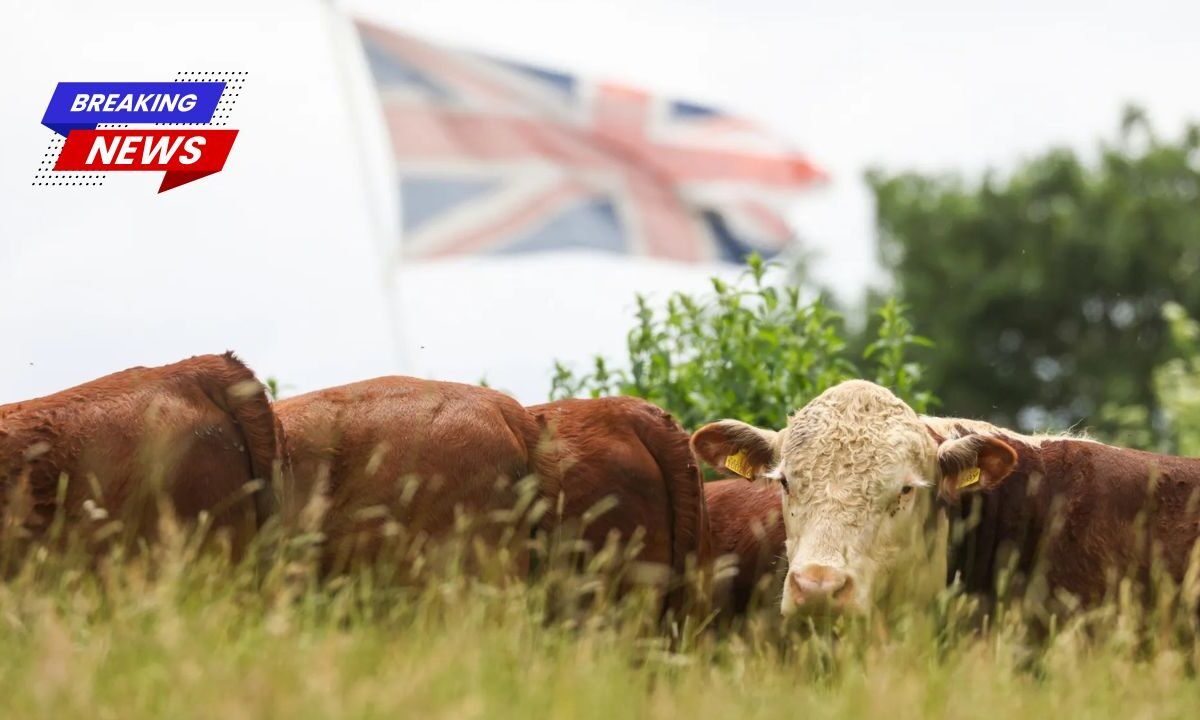
The long-awaited development in UK-US agricultural trade relations has finally arrived. British beef exporters can now sell UK beef in the US market without tariffs, marking a major milestone for the United Kingdom’s farming and food export industries. This shift removes a significant financial barrier that had limited competitiveness for years.
For British businesses involved in beef production, processing, and export, this change represents not only lower operational costs but also renewed access to one of the world’s largest consumer markets. The removal of tariffs on UK beef exports to the United States is expected to reshape pricing structures, increase export volumes, and enhance long-term profitability for the British agriculture sector.
Below, we break down what this means for farmers, exporters, retailers, and consumers, along with a detailed table explaining the cost impact.
Understanding the Removal of Tariffs on UK Beef Exports
What Were the Previous Tariffs?
For years, British beef faced import duties and regulatory restrictions when entering the US. These tariffs increased the landed cost of UK beef, making it less competitive compared to domestic American beef and other international suppliers.
Import duties often added a significant percentage to the final selling price. As a result, British exporters either absorbed the cost — reducing their profit margins — or passed it on to US buyers, making their products more expensive.
With the removal of tariffs, UK beef now enters the US market under more favorable conditions.
Why This Change Matters
The United States is one of the largest beef-consuming countries in the world. Gaining tariff-free access means:
- Lower export costs for British companies
- Increased price competitiveness in US retail and food service sectors
- Greater opportunity for long-term trade growth
- Stronger agricultural ties between the UK and the US
This move strengthens post-Brexit UK trade diversification efforts, helping British agriculture expand beyond European markets.
Financial Impact on British Businesses
The elimination of tariffs directly reduces overhead expenses for exporters. Businesses that previously paid thousands in duties per shipment can now redirect that capital into expansion, marketing, or supply chain improvements.
Cost Comparison Table
Below is a simplified breakdown of how tariff removal impacts overall costs.
| Cost Category | Before Tariff Removal | After Tariff Removal | Impact on Business |
|---|---|---|---|
| Import Duty Charges | Applied per shipment | £0 | Significant savings |
| Retail Pricing Flexibility | Limited | Increased | More competitive pricing |
| Profit Margin | Reduced | Improved | Higher net returns |
| Export Volume Potential | Restricted | Expanded | Growth opportunity |
| Market Accessibility | Limited access | Open access | Wider US distribution |
This structural shift provides a clear financial advantage to British beef exporters.
Benefits for UK Farmers and Meat Processors
Increased Demand for British Beef
With tariff-free access, American buyers can purchase high-quality British beef without additional cost penalties. This may lead to increased demand for premium grass-fed UK beef, known for its strong animal welfare standards and traceability systems.
Higher demand can translate into:
- Improved farmgate prices
- Greater production stability
- Long-term supply contracts
- Investment in sustainable farming
Strengthening Rural Economies
The UK farming sector supports thousands of rural jobs. By opening the US market without tariffs, British beef producers can boost revenue streams and enhance employment opportunities across rural communities.
Competitive Advantage in the US Market
Price Competitiveness
One of the most immediate advantages of tariff-free UK beef exports to the US is improved pricing. Previously, even small tariff percentages created significant cost differences at scale. Now, UK beef can compete more directly with domestic and international suppliers.
Premium Branding Opportunities
British beef often carries a premium brand image, associated with:
- High animal welfare standards
- Traceable supply chains
- Grass-fed production
- Strict food safety regulations
Without tariff inflation, US consumers and restaurants may find premium UK beef more affordable.
Regulatory and Trade Implications
Trade Agreement Significance
The removal of tariffs reflects broader progress in UK-US trade negotiations. Although not a full free trade agreement across all sectors, agricultural access improvements indicate growing cooperation.
This development may open doors for other British agricultural exports seeking similar tariff-free access.
Compliance and Standards
While tariffs have been removed, exporters must still meet US import regulations. These include:
- Food safety certifications
- Inspection requirements
- Traceability documentation
- Labeling standards
Compliance remains essential for maintaining uninterrupted trade.
Long-Term Growth Potential
Expansion Into US Food Service Industry
The American hospitality and restaurant sector is vast. With competitive pricing restored, British beef suppliers may expand into:
- High-end steakhouse chains
- Gourmet retailers
- Specialty meat distributors
- Online premium meat platforms
This offers sustained export growth beyond short-term gains.
Strengthening Global Trade Diversification
The removal of US tariffs on UK beef supports the UK government’s strategy of reducing reliance on any single trading bloc. By diversifying markets, British agriculture becomes more resilient to regional economic fluctuations.
Potential Challenges to Consider
Despite the positive outlook, some factors remain important:
- Currency fluctuations between the British pound and US dollar
- Transportation and logistics costs
- Domestic US beef production competition
- Market awareness among US consumers
Businesses must strategically market British beef to maximize benefits from tariff removal.
What This Means for British Exporters
For exporters already established in the US market, the change means immediate cost relief. For those who previously avoided the US due to tariffs, this may now present a viable expansion opportunity.
Companies should consider:
- Reviewing pricing strategies
- Reassessing export volumes
- Building new distribution partnerships
- Investing in US-focused marketing campaigns
By proactively adapting, businesses can capture early advantages in a newly competitive landscape.
Conclusion
The availability of UK beef in the US without tariffs marks a transformative moment for British agriculture and meat exporters. Removing import duties lowers costs, increases competitiveness, and opens one of the world’s most lucrative beef markets to British producers.
Farmers, processors, and exporters now stand to benefit from improved margins, expanded demand, and strengthened rural economies. While regulatory compliance and market competition remain considerations, the long-term outlook for tariff-free UK beef exports to the US is promising.
This policy shift represents more than cost savings — it symbolizes a growing transatlantic trade partnership that may shape future agricultural agreements and export opportunities.
As British businesses adapt to this new environment, the opportunity for sustained growth in the US beef market appears stronger than ever.