



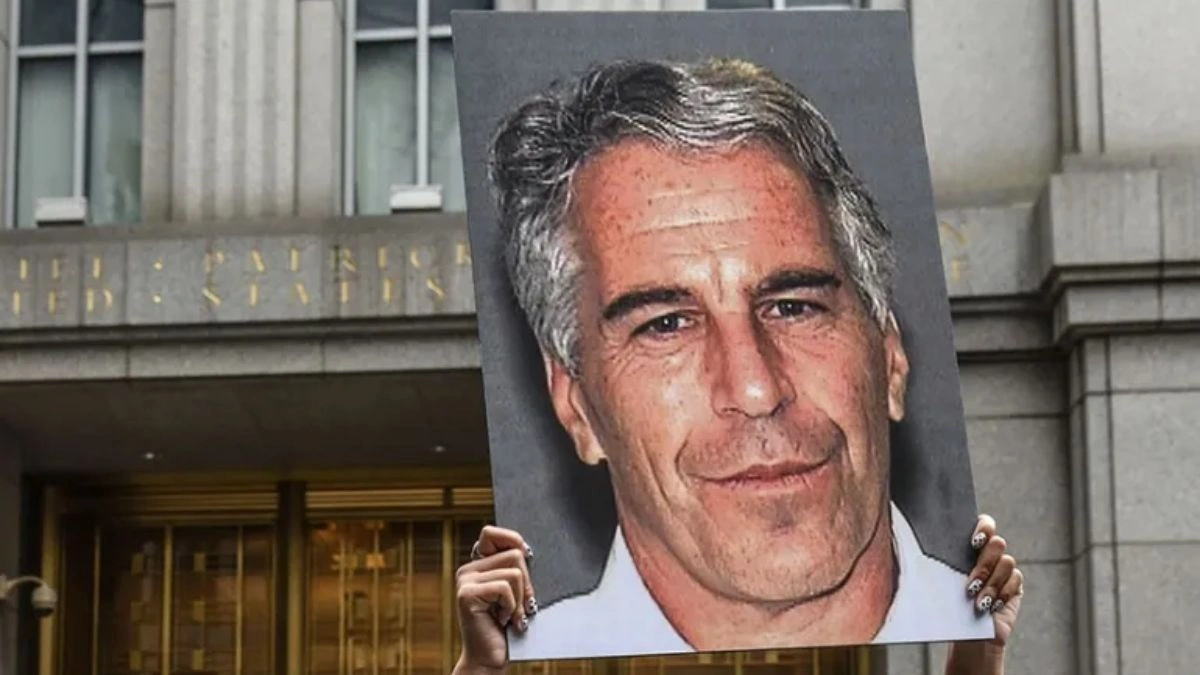
The UK government has initiated a sweeping investigation into whether convicted sex offender Jeffrey Epstein transported women and girls into Britain using private aircraft that landed at Royal Air Force (RAF) facilities.
The move follows mounting political pressure and renewed scrutiny over Epstein’s historical connections within the UK.
Defence Secretary Demands Thorough Review of RAF Records
British Defence Secretary John Healey has instructed officials to examine more than 20 years of Ministry of Defence records. According to reporting by The Telegraph, Healey directed authorities to “leave no stone unturned” in identifying any evidence linking Epstein’s private jet operations to RAF bases.
The investigation aims to determine whether military facilities were used, knowingly or unknowingly, in facilitating Epstein’s travel into the UK.
Gordon Brown Calls for Police Inquiry
The inquiry comes shortly after former Labour Prime Minister Gordon Brown urged law enforcement to examine whether Prince Andrew—formally known as Andrew Mountbatten-Windsor—used taxpayer-funded flights and RAF sites to meet Epstein.
Brown reportedly expressed particular concern over a December 2000 flight in which Epstein arrived in Norfolk aboard a Gulfstream jet. After landing, Epstein allegedly visited the royal estate at Sandringham alongside Prince Andrew.
The matter has intensified public debate over transparency and accountability regarding official travel and security clearances.
Arrest of Prince Andrew Over Alleged Misconduct
Prince Andrew was arrested last week on suspicion of misconduct in public office. At the time, he was serving as the UK’s trade envoy. Authorities allege he shared confidential government documents with Epstein.
The arrest has further fueled calls for deeper investigation into how Epstein maintained access to high-profile political and royal figures.
Scrutiny Over Peter Mandelson’s Appointment
Separately, the UK’s Intelligence and Security Committee announced it is preparing to release documents related to Peter Mandelson and his appointment as ambassador to the United States.
Mandelson, long associated with Epstein, was appointed by Prime Minister Keir Starmer despite widespread awareness of his past ties to the financier.
A spokesperson for the committee confirmed that the first set of documents is expected to be published in early March.
Mandelson, 72, was briefly detained and later released by London’s Metropolitan Police as part of an ongoing inquiry.
Although Prime Minister Starmer dismissed Mandelson from his ambassadorial role last year following additional revelations, political criticism continues over the original decision to appoint him.
EU Anti-Fraud Office Joins Investigation
The scrutiny has also extended beyond the UK. The European Union’s anti-fraud agency, OLAF, confirmed it is reviewing Mandelson’s activities during his tenure as British Commissioner for Trade in Brussels between 2004 and 2008.
The review was launched at the request of the European Commission, adding another international dimension to the expanding investigation.
Political Fallout and Broader Implications
The unfolding investigations have sparked significant political repercussions across the UK and Europe. With renewed attention on Epstein’s network, questions are being raised about institutional oversight, security protocols, and the vetting processes surrounding high-level appointments.
As authorities comb through historical records, the potential findings could have far-reaching consequences for political figures and public trust in government institutions.
The UK government’s decision to reopen scrutiny into Jeffrey Epstein’s alleged activities marks a critical moment in the ongoing effort to uncover the extent of his international connections.
From RAF base access to high-ranking political appointments, multiple institutions are now under examination. As investigations progress in both the UK and EU, transparency and accountability remain central to restoring public confidence.